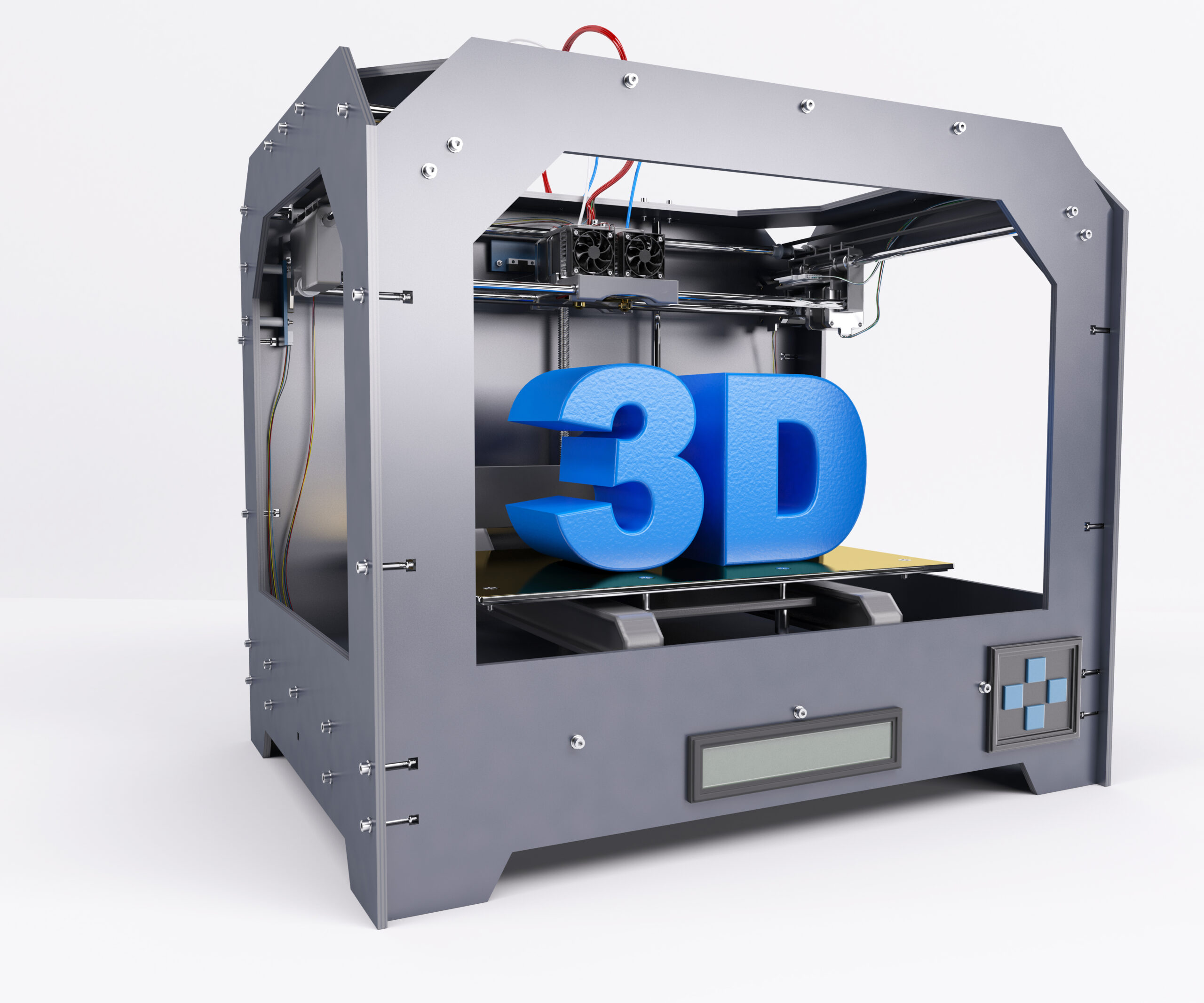
3D Printing Innovations in Product Design
How 3D Printing Innovations Are Shaping Product Design
The rise of 3D printing innovations has redefined how designers and manufacturers approach product creation. What began as a niche technology for rapid prototyping has evolved into a cornerstone of modern production, enabling teams to move from concept to physical model faster than ever. By allowing direct translation of digital designs into tangible objects, 3D printing innovations are streamlining workflows and unlocking unprecedented creative possibilities.
Speed and Flexibility in Prototyping
One of the most transformative aspects of 3D printing innovations is the speed they bring to the prototyping process. Traditional manufacturing often required multiple steps and long lead times, but 3D printing enables near-instant creation of prototypes. Designers can iterate quickly, test functionality, and adjust designs on the fly — saving both time and costs. This flexibility encourages innovation, allowing teams to experiment without the fear of high material waste or long turnaround times.
Customization and Sustainable Production
Beyond speed, 3D printing enables unparalleled customization. Brands can now tailor designs to individual needs, whether it’s ergonomic tools, personalized fashion, or bespoke consumer products. The precision of 3D printing reduces excess material use, aligning with sustainability goals. As businesses embrace eco-friendly manufacturing, the combination of customization and efficiency positions 3D printing as a key driver of sustainable product development.
Applications Across Industries
From healthcare to automotive, 3D printing innovations are influencing nearly every industry. In medicine, custom implants and prosthetics are created with exact anatomical precision. In architecture and fashion, designers use 3D printing to craft complex, lightweight structures previously impossible to achieve. Even aerospace companies now use printed components to enhance performance while reducing weight and production costs.
Final Thoughts
The impact of 3D printing on product design and prototyping is undeniable. It has transformed manufacturing from rigid processes into flexible, creative, and sustainable workflows. As technology continues to advance, 3D printing will remain central to shaping the future of design and production — turning imagination into innovation.


